
5 MIN READ
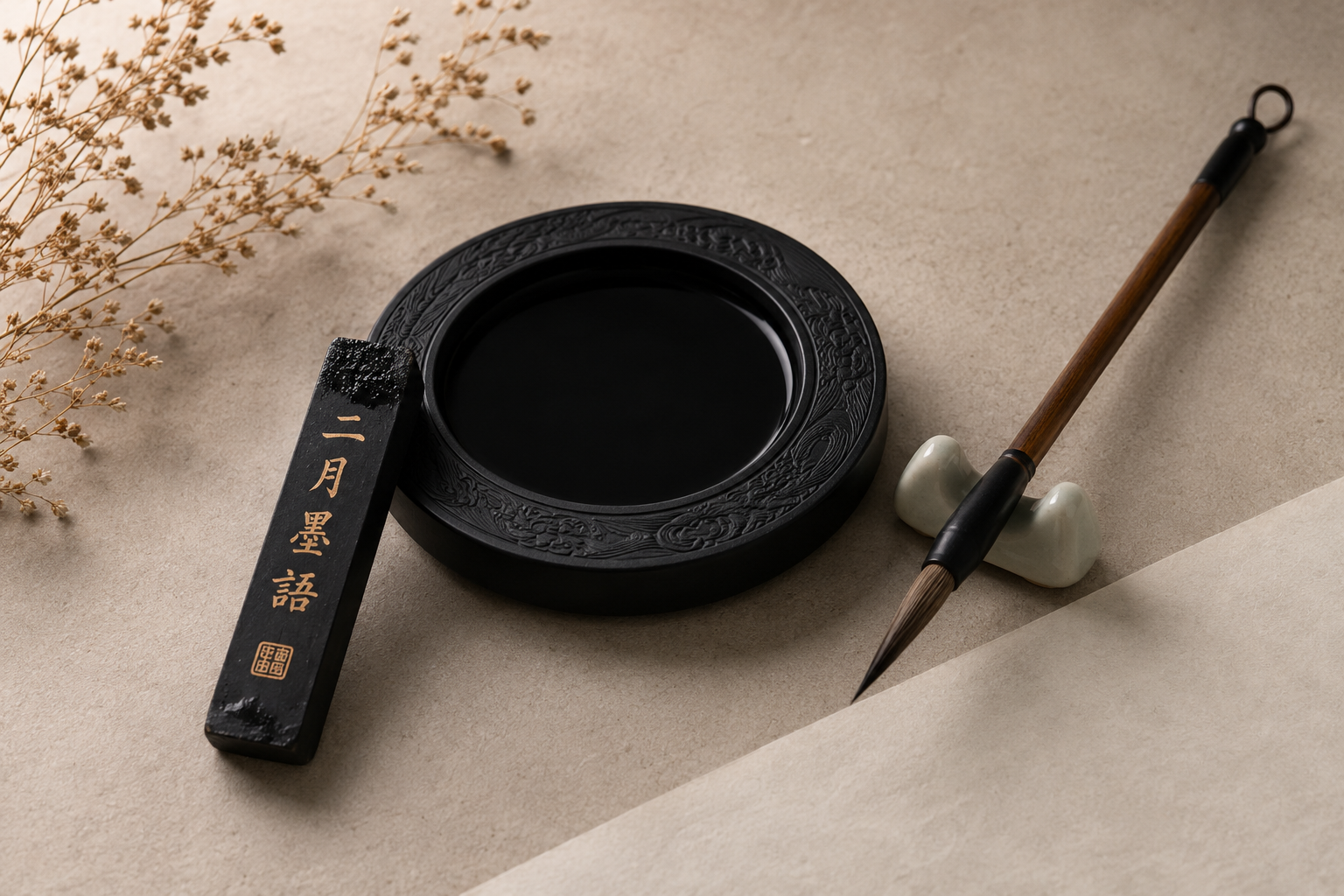
Chinese calligraphy does not begin when the brush touches the paper.
It begins earlier.
In the way the body sits.
In the way the hand holds the brush.
In the quiet preparation of ink and paper.
In the breath before movement.
To a beginner, calligraphy may look like the art of writing beautiful Chinese characters. But in traditional Chinese culture, calligraphy has long been regarded as much more than handwriting.
It is a practice of movement, rhythm, attention and self-cultivation.
This is why the moment before writing matters.
Before there is a stroke, there is attention.
The Desk Becomes a Place of Practice
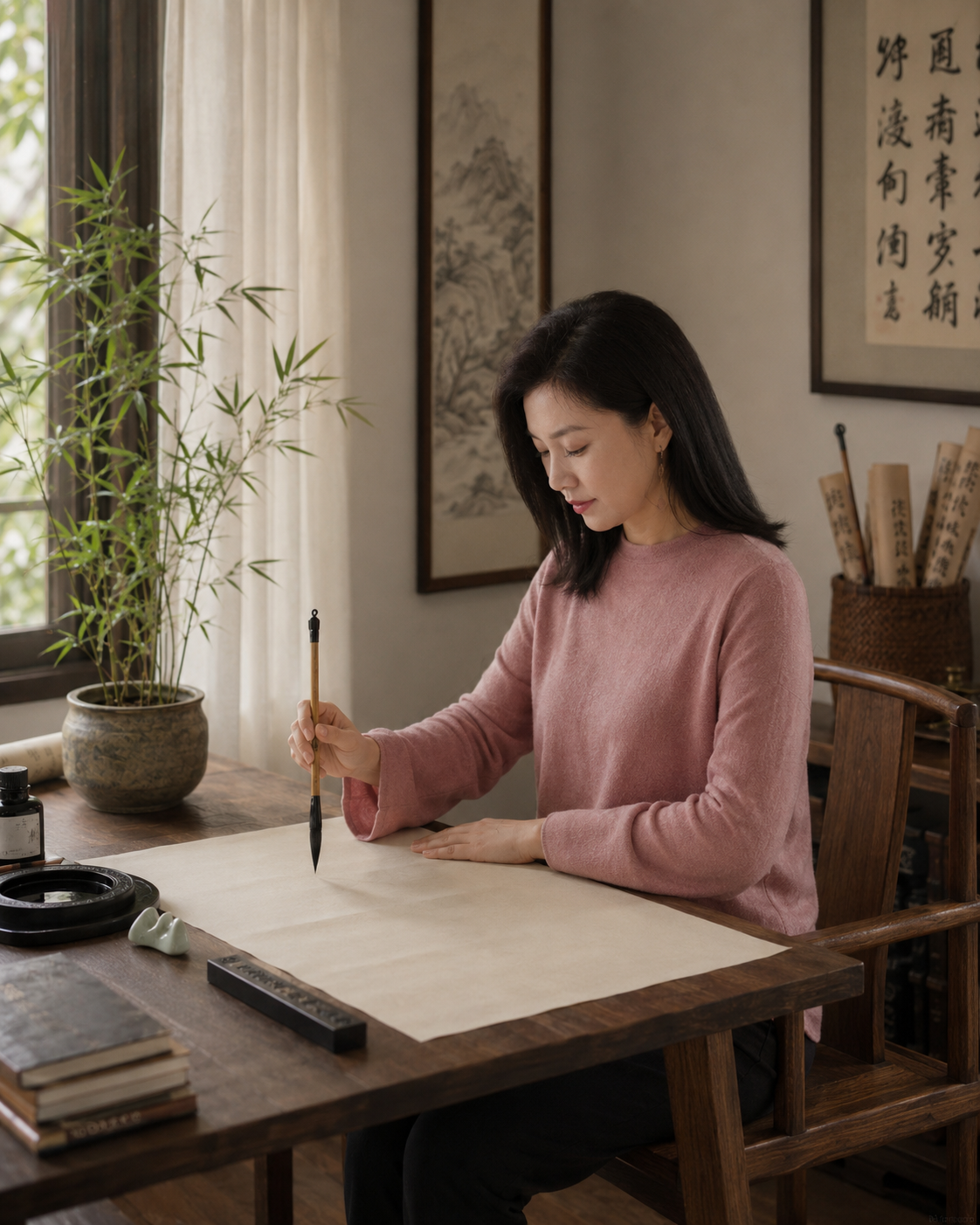
Before writing begins, the calligrapher prepares the space.
The paper is placed carefully.
The brush is readied.
The ink is prepared.
The body settles.
These actions may seem small, but they help create the mood of practice.
When the tools are arranged, we are not only preparing materials. We are entering a different rhythm.
The world becomes quieter.
The hand becomes more aware.
The mind begins to arrive.
This is why preparation is part of calligraphy itself.
Posture Shapes the Brush
The body is the first instrument.
If the body is tense, the brush becomes tense.
If the shoulder is stiff, the line may feel forced.
If the breath is rushed, the stroke may feel unsettled.
Good posture is not only about looking correct. It affects control, concentration and movement.
This is especially important because the Chinese brush is sensitive. It responds to the smallest changes in pressure, direction and speed.
A pen can hide many things.
A brush cannot.
The brush reveals the body behind the line.
The Brush Is Held, But Not Forced
A beginner often wants to control the brush too tightly.
But the brush needs both guidance and freedom.
If the hand grips too hard, the stroke becomes stiff. If the hand is too loose, the stroke loses structure.
The calligrapher learns to hold the brush with presence — steady, but not rigid.
This balance is one reason calligraphy takes time. The brush is not simply dragged across the paper. It is lifted, pressed, turned and released.
When we look at a calligraphy stroke, we are also seeing the movement that created it.
The stroke remembers the hand.
Ink Preparation Slows the Mind
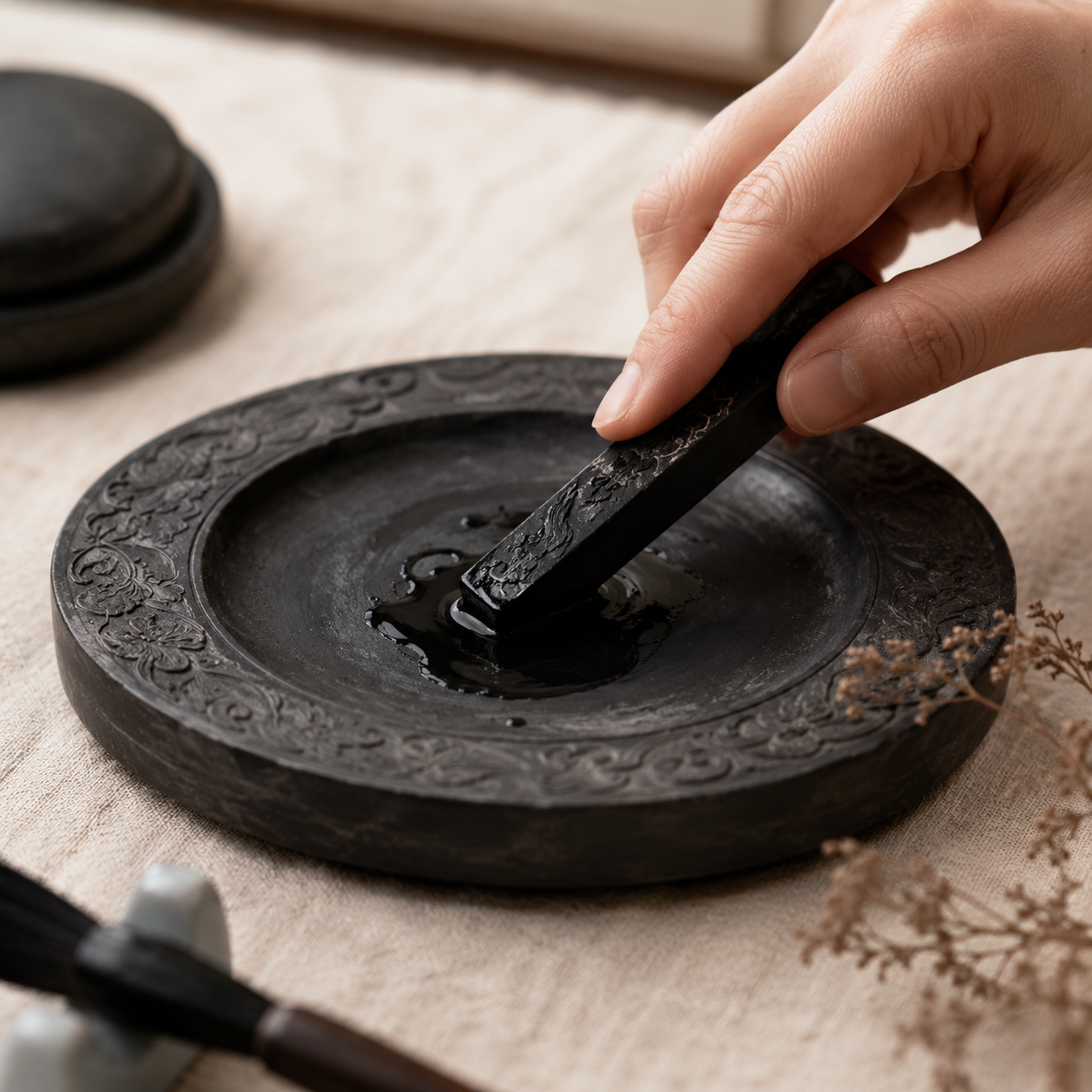
Traditionally, ink is prepared by grinding an inkstick with water on an inkstone.
This process is slow.
It asks the hand to move in circles.
It asks the eye to observe the depth of the ink.
It gives the mind time to settle before writing begins.
In modern practice, bottled ink is practical and perfectly suitable for beginners. But the traditional act of preparing ink reminds us that calligraphy is not only about producing a finished piece.
It is also about entering a state of attention.
The inkstone is not just a container.
The brush is not just a tool.
The paper is not just a surface.
Together, they create a quiet ritual.
The First Stroke Carries Everything Before It
When the brush finally touches the paper, the stroke carries everything that happened before.
The posture.
The breath.
The pressure of the hand.
The amount of ink.
The quality of attention.
This is why a single stroke can feel heavy, light, nervous, calm, strong or alive.
The beauty of a stroke is not only in its shape. It is also in how it was made.
A stroke is not a static line.
It is a trace of movement.
Silence Helps the Hand Listen
Calligraphy also benefits from silence.
Not because practice must be serious or cold, but because silence helps the body listen.
The hand feels the brush.
The eye follows the ink.
The breath becomes steady.
The mind notices small changes.
This does not mean every practice must be formal. But even a short moment of quiet can change the quality of writing.
Before writing, pause.
Let the hand settle.
Let the brush become still.
Let the first stroke begin from calm.
A Simple Preparation for Beginners
You do not need expensive tools to begin.
You can start with a brush, black ink, practice paper, a felt mat and a small ink dish.
Before writing, try this simple preparation:
Sit comfortably and upright.
Place the paper in front of you.
Hold the brush gently but steadily.
Relax the shoulder.
Take one quiet breath.
Look at the space where the first stroke will begin.
Then write one simple stroke.
Do not rush to judge it.
Look at what the stroke shows.
Was the beginning too heavy?
Was the ending too sudden?
Did the brush move smoothly?
Did the ink spread softly?
Did the line feel alive?
This is the beginning of real practice.
Not perfection.
Not decoration.
But awareness.
Final Thought
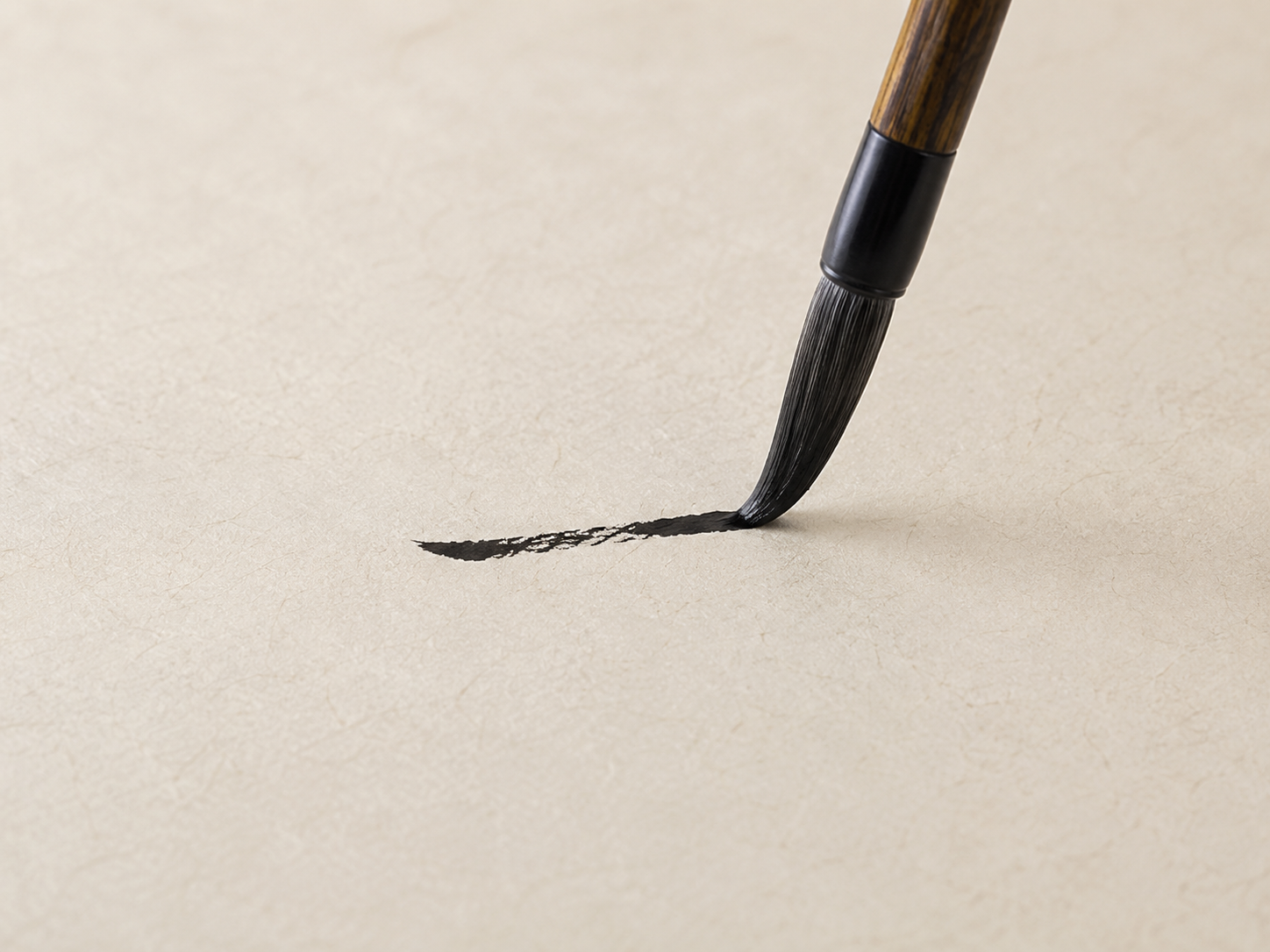
Chinese calligraphy begins before the first stroke because writing is never only about the mark on paper.
It is about the condition that creates the mark.
The body prepares.
The breath settles.
The brush waits.
The ink deepens.
The paper receives.
And then, in one quiet moment, the stroke appears.
This is why calligraphy is more than writing.
It is preparation.
It is attention.
It is practice.
